Advanced Medical Device Manufacturing
Core Report — Demand Structure, Capability System, and Deployment Logic
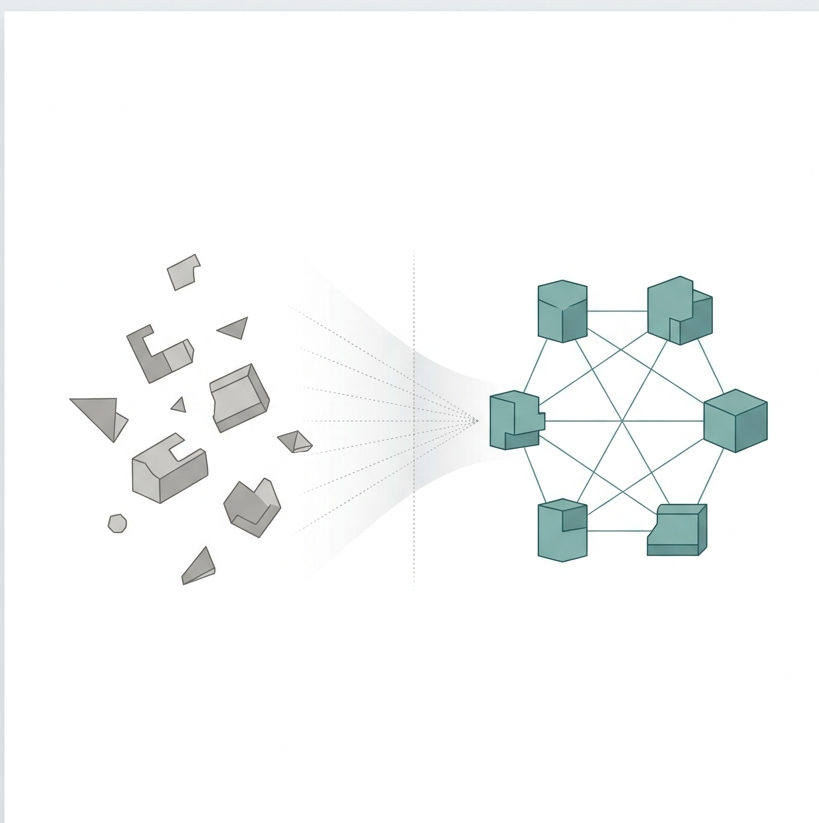
Executive Frame
Medical device manufacturing capability is not defined by demand alone.
It is defined by whether production can be structured, deployed, and sustained under real operating conditions.
The Structural Condition
Australia maintains a continuous need for:
medical consumables
device components
clinical hardware
At the same time:
production remains partially offshore
domestic capability is uneven
scale-up pathways are limited
This creates a persistent condition:
Demand is visible
Capability is fragmented
Production control is external

The System Response
The response is not a single facility or investment.
It is a structured manufacturing system that:
builds capability in stages
aligns production to demand
enables repeatable deployment
This system converts:
Recurring demand
into
Deployable manufacturing capability
Capability Layers
The system operates across three capability layers:
Foundational production
everyday consumables
device components
repeatable manufacturing output
Regulated capability
device sub-assemblies
minimally invasive instruments
ISO-aligned manufacturing processes
Integrated systems
wearable medical hardware
diagnostics-linked devices
higher-complexity production environments
Each layer:
builds on validated capability
increases system complexity
expands production scope
Capability Is Constrained
Capability is determined by:
workforce readiness
facility suitability
quality systems
regulatory alignment
Without these:
production cannot initiate
outputs cannot be validated
scale cannot be sustained
This defines the difference between:
Activity
and
Operational capability
Capability is deployed through:
distributed production environments
modular expansion
repeatable operating structures
This allows:
staged introduction of capability
replication across locations
controlled expansion aligned to demand
This avoids:
reliance on a single production site
concentration risk
static manufacturing structures
Capability Layers
The Transition Gap
Current environments are limited by:
fragmented supplier capability
weak transition from design to production
reliance on offshore manufacturing
This results in:
constrained domestic production
delayed scale-up
exposure to external disruption
The system is designed to:
bridge basic production into regulated manufacturing
enable progression from component to device
establish a deployable pathway for scale
Quality as a System Condition
Manufacturing capability requires:
defined processes
structured quality systems
traceable outputs
This system integrates:
medical-device quality discipline
validated production pathways
regulatory alignment from inception
This ensures:
production can transition into regulated environments
systems can scale without redesign
outputs are acceptable under compliance frameworks
System Behaviour Under Pressure
Under disruption:
supply chains shift
inputs vary
timelines compress
A structured system can:
continue operating
reconfigure production
maintain output integrity
An unstructured system cannot.
When structured correctly, this system enables:
more reliable domestic production
improved continuity of supply
a pathway from design to manufacturing
integration with regulated production programs
This transforms:
Fragmented capability
into
Deployable manufacturing systems
System Outcome
Manufacturing capability is not defined by what can be built.
It is defined by what can be deployed
under real conditions
at scale
with control
This determines whether production remains dependent —
or becomes structured and domestically controlled
Closing Frame
Access
Access to detailed analysis is provided on request.