
What emerges from structured capability
Outcomes in regulated manufacturing environments are not independent.
Outcomes in complex environments are not independent.
They emerge from the interaction between:
system structure • capability organisation • execution conditions
What is Visible
At market level, outcomes are often described as:
supply availability
production capacity
delivery performance
service continuity
These are visible indicators.
They are not the full system.
What Drives Them
Underlying these outcomes are:
controlled processes
validated systems
regulatory alignment
coordinated execution
trusted relationships
These determine:
what can be produced
what can be relied upon
what can be sustained

Outcome Stability
Where systems are structured:
outputs are repeatable
execution is stable
variation is controlled
trust is reinforced
Where systems are fragmented:
variability increases
reliability declines
constraints accumulate
confidence deteriorates
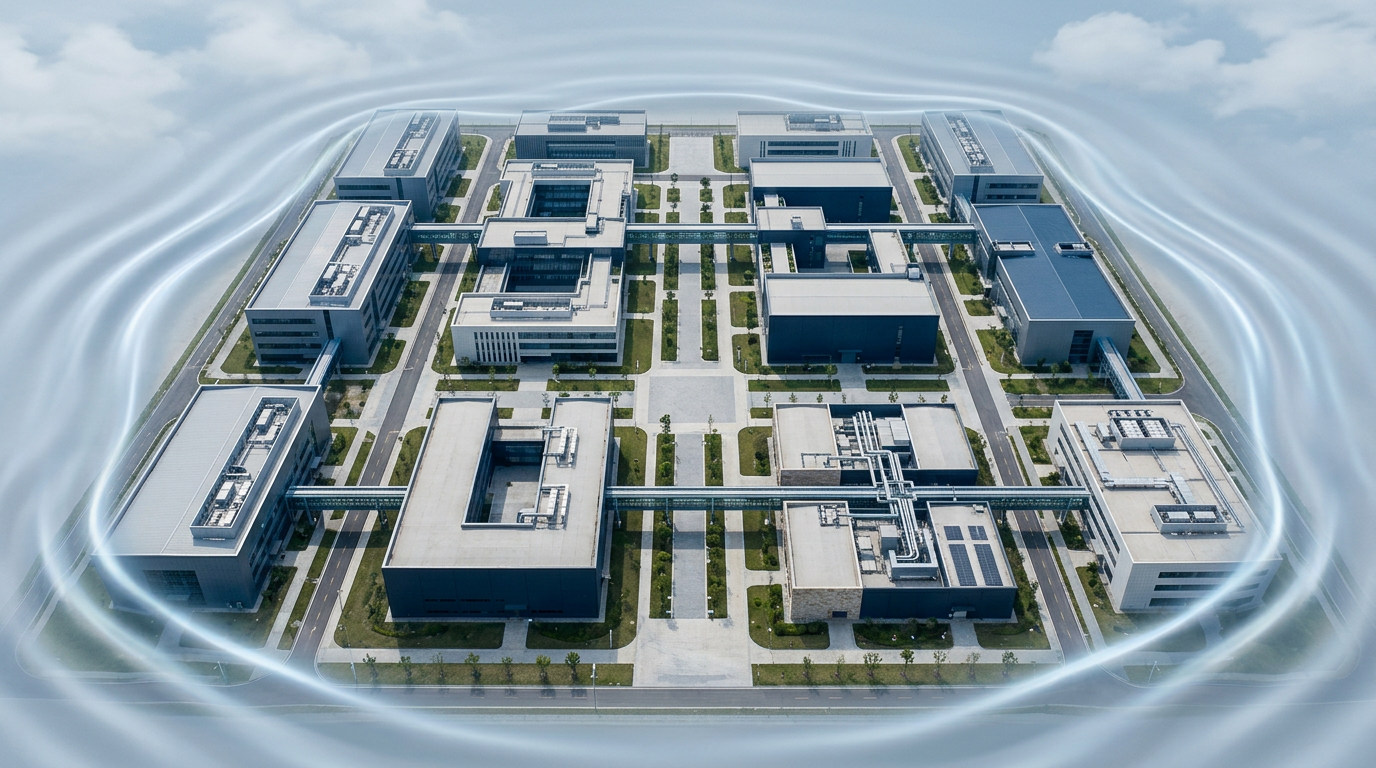
The Consequence of Structure
Capability does not only influence output.
It influences confidence in outcomes.
It defines:
continuity
resilience
system behaviour under stress
Where This Becomes Visible
Outcomes are never observed from a single perspective.
Different participants experience the same system through different incentives, constraints and objectives.
The following reports explore how these perspectives shape interpretation, decision making and participation.
Beyond Performance
Outcomes are often framed as performance metrics.
This is incomplete.
Performance is observable.
Outcomes are interpretive.
Outcomes are system expressions.
They reflect the interaction between:
demand
capability
constraint
trust
Interpreting Outcomes
Stable outcomes indicate:
aligned systems
integrated capability
controlled execution environments
trusted coordination
Unstable outcomes indicate:
structural gaps
coordination breakdown
incomplete capability
trust erosion
The Deeper Layer
What is visible:
supply continuity
service availability
production output
What determines these:
system design
capability structure
regulatory integration
trust architecture
The difference between these layers defines reliability over time.
Closing Perspective
Outcomes are not produced directly.
They emerge from structured systems.
Understanding those systems is required to interpret:
• risk • resilience • long-term capability • trust
Access
Additional reports, perspectives and research materials are available for those exploring capability, trust and adaptation within complex systems.